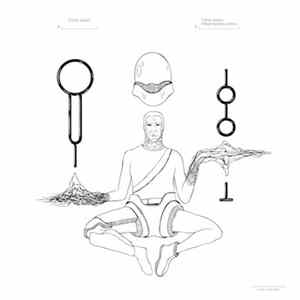
««zschhhH!»" > <blink>««zschhhH!»</blink> - <marque><blink>International Space Station</blink></marque> FLAC album





Performer: ««zschhhH!»" >
Genre: Electronic
Title:
Released: 2000
Style: Experimental
Label: <blink>«ISS»</blink>
Catalog Number: <blink>1</blink>
FLAC version ZIP size: 1128 mb
MP3 version ZIP size: 2209 mb
WMA version ZIP size: 2432 mb
Rating: 4.5
Votes: 214
Genre: Electronic
Title:
Released: 2000
Style: Experimental
Label: <blink>«ISS»</blink>
Catalog Number: <blink>1</blink>
FLAC version ZIP size: 1128 mb
MP3 version ZIP size: 2209 mb
WMA version ZIP size: 2432 mb
Rating: 4.5
Votes: 214
Tracklist
| 1 | 0:02 |
Credits
- Ring – (tracks: )
Notes
The International Station (ISS) is a joint project of five agencies:National Aeronautics and Administration (United States)
Russian Federal Agency (Russian Federation)
Japan Aerospace Exploration Agency (Japan)
Canadian Agency (Canada)
European Agency (15 of its member states are currently participating; Austria, United Kingdom, Ireland, Portugal, and Finland chose not to participate; Greece and Luxembourg joined ESA later).
The Brazilian Agency (Brazil) participates through separate contract with NASA. The Italian Agency similary has separate contracts for various activities, that are not done in the framework of ESA works (where Italy also fully participates).
The station is located in orbit around the Earth at an altitude of approximately 360 km (0 miles), a type of orbit usually termed low Earth orbit (The actual height varies over time by several kilometres due to atmospheric drag and reboosts [1]). It orbits Earth in a period of about 92 minutes; by June 005 it had completed more than 37,500 orbits since launch of the Zarya module on November 0, 1998.
In many ways the represents a merger of previously planned independent stations: Russia's Mir , United States' Station Freedom and the planned European Columbus and Japanese Experiment Module. Today it represents a permanent human presence in , as it has been manned with a crew of at least two since November , 000 (see #ISS Expeditions).
It is serviced primarily by the Shuttle, Soyuz and Progress craft units. It is still being built, but is home to some experimentation already. At present, the station has a capacity for a crew of three. So far, all members of the expedition crews have come from the Russian or United States programs. The has however been visited by many more astronauts, a number of them from other countries (and by three tourists).
Last added
Discussed
 Larry Heard Presents: Mr. White - You Rock Me / The Sun Can't Compare
 J Mascis - Elastic Days
 Clit 45 - Your Life To Choose
 The Varukers - The Varukers E.P.
 Discharge - Realities Of War
 DJ Krush - Cosmic Yard
 Eversines, Anderson , Adam Pits, Nella - Wex Special: Part 2
 Foo Fighters - Foo Fighters
 Janis Joplin - In Concert
 Loree Williams - I Keep Lovin' You